
The Aurisse Journal
What Sandalwood Actually Smells Like
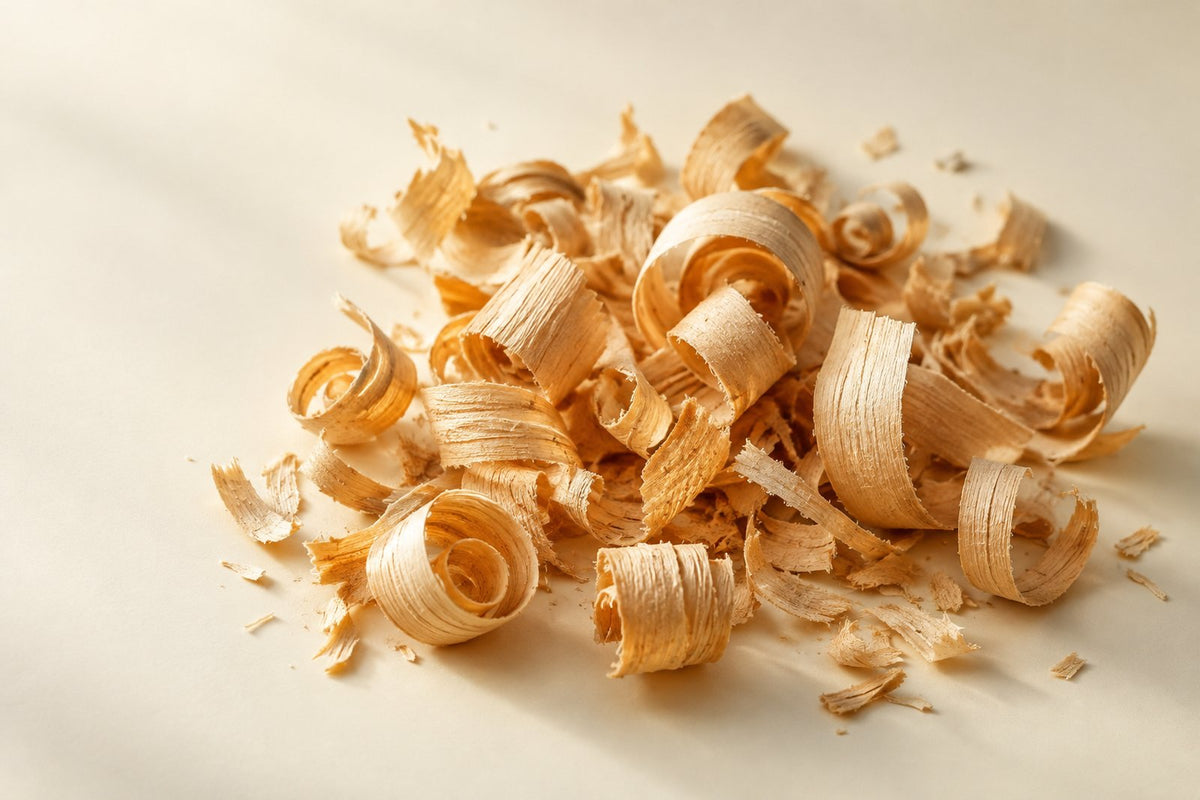
Sandalwood smells creamy, milky and quietly sweet, with a dry woodiness underneath that stops it turning soft. It is one of the most searched materials in fragrance right now, and the word people keep attaching to it is creamy, which tells you exactly which facet they are after.
What it actually smells like
Not like timber. That is the first surprise for anyone expecting a wood note to smell like a workshop.
Sandalwood is rounded rather than sharp. There is a lactonic creaminess, close to warm milk, a faint sweetness, and a dry powdery edge in the dry-down. It reads as skin-adjacent in a way almost no other wood manages.
That creaminess is why it sits so comfortably under gourmands and florals alike. It gives a composition a floor without adding weight.
Mysore and the supply problem
Mysore sandalwood from southern India is the material everything else is measured against, and it is heavily restricted after decades of overharvesting.
Most sandalwood in commercial fragrance today is Australian sandalwood, a related species, or a reconstruction built around synthetic materials. Australian is slightly drier and sharper. Reconstructions are cleaner and more consistent.
None of this is a scandal. It is the same pattern as musk and oud, where synthetics are the reason the material still exists in perfumery at all.
Why it is having a moment
Because it does exactly what the current market wants.
It is warm without being sweet, which suits people tired of gourmands. It is quiet, which suits the move toward skin scents. And it is creamy, which connects it directly to the milky trend.
It is also a genuine fixative. Sandalwood slows the evaporation of everything above it, so a composition built on it lasts longer across every stage rather than only at the end.

What it pairs with
Rose. The classic. Creamy wood under a sharp flower, which we cover in rose and sandalwood.
Musk. The search phrase people actually type. Both quiet, both skin-like, and together they produce the softest possible fragrance.
Vanilla and tonka. Creamy on creamy. Comfortable and easy to overdo.
Pistachio and almond. The nutty direction, and one of the most current structures there is.
Jasmine. Heavy white floral over soft wood. Richer than it sounds.
How it differs from other woods
Sandalwood is creamy and milky.
Cedarwood is dry and pencil-like.
Vetiver is earthy and smoky.
Oud is dense and medicinal.
If you have found woody fragrances too dry or too sharp, sandalwood is the one that will change your mind.
Who it does not suit
It is quiet. Sandalwood projects very little and sits close, so it will not get you noticed across a room.
The creaminess also reads as slightly milky to some people, and the same dairy association that affects lactonic fragrances applies here.
And genuine Mysore is expensive. A fragrance promising it at a low price is almost certainly using a reconstruction, which is fine, but worth knowing before paying for the name.
Common questions
What does sandalwood smell like?
Creamy, milky and quietly sweet with a dry woody edge underneath.
Why is Mysore sandalwood restricted?
Decades of overharvesting led to protection. Most commercial sandalwood is Australian or reconstructed.
Is sandalwood masculine or feminine?
Neither. It is one of the most genuinely universal materials in perfumery.
Does sandalwood make fragrance last longer?
Yes. It acts as a fixative for the lighter materials above it.
When should I wear it?
Year round. It is warm enough for winter and quiet enough for heat.
The short version
Creamy rather than woody, quiet by nature, and the most universally wearable material in perfumery.