
The Aurisse Journal
What Iris Actually Smells Like
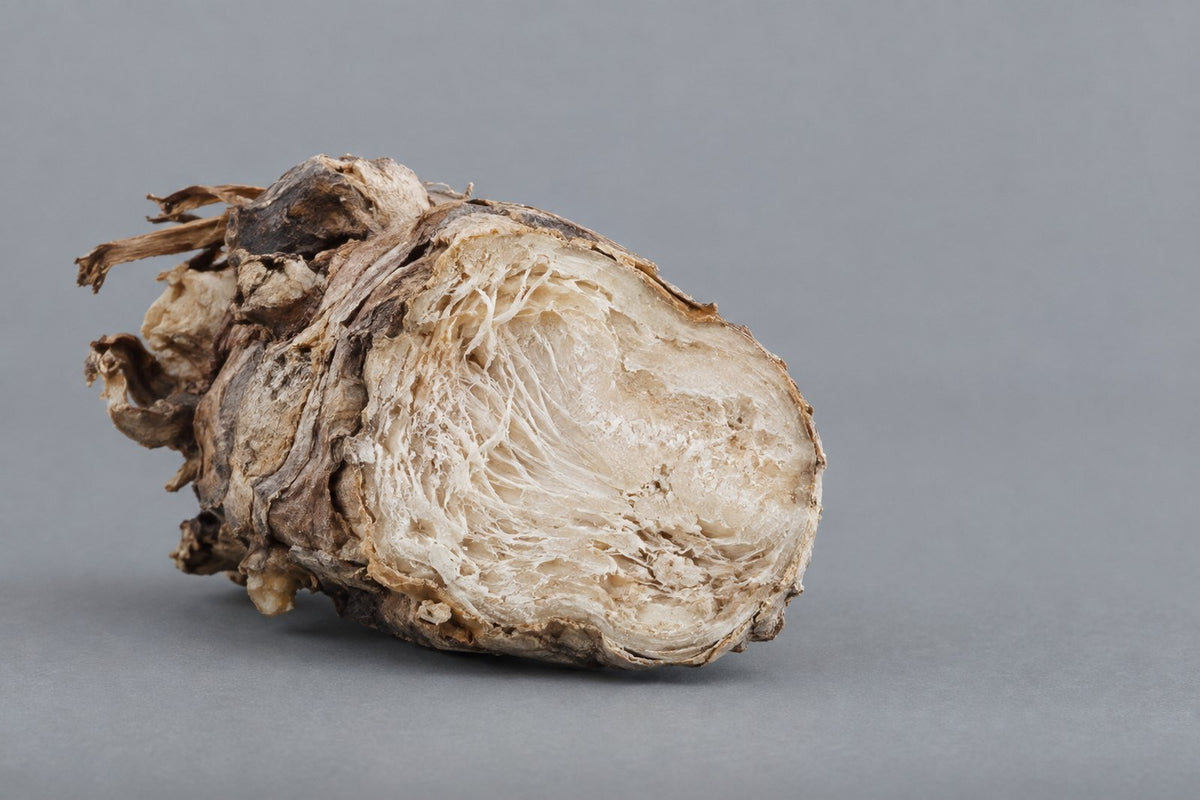
Iris in fragrance smells powdery, cool and faintly earthy, with a quality people often describe as expensive without being able to say why. It is one of the most costly materials in perfumery and one of the most respected, and it is currently enjoying a revival as part of the wider move toward quieter scent.
Why iris costs what it does
The scent does not come from the flower. It comes from the rhizome, the root, and it is not present when the root is harvested.
The rhizomes have to be dried and aged for three to five years before the compounds responsible, called irones, develop. Only then can they be processed, and the yield is tiny.
The result is one of the most expensive natural materials available, which is why a genuine iris fragrance is rarely cheap and why most mainstream iris notes are partly or entirely reconstructed.
What it smells like
Powdery first. Not sweet powder, something closer to face powder or dry clay.
Underneath sits a cool, rooty, almost vegetal quality that keeps it from being soft. Iris has a mineral edge, and in some treatments it reads as genuinely cold.
There is also a buttery, slightly carrot-like richness in the better versions, which is where the expensive impression comes from. It reads as dense and considered rather than pretty.

Why it is back
Iris is the opposite of everything that dominated the last decade. Not sweet, not loud, not immediately likeable.
That has become the appeal. As buyers moved toward skin scents and quieter compositions, a material that has always been restrained found its moment.
It also reads as grown-up in a way few notes do. Where a gourmand signals comfort, iris signals restraint, and a lot of people now want the second thing.

What iris pairs with
Musk. The most natural fit. Both are powdery and quiet, and musk extends iris without competing.
Leather. Cool powder against dry hide. One of the great contrasts in perfumery and the structure behind several classic fragrances.
Violet. They share compounds, so the two blend seamlessly. Risks reading as old-fashioned without something modern underneath.
Incense. Both cool and dry. Together they make something austere and genuinely distinctive.
Vanilla. The warming agent. Softens iris's coldness for anyone who finds it severe.
Who it does not suit
Iris is difficult, and that is not a compliment to the wearer so much as a warning.
The powdery quality reads as dated to a lot of people, because face powder and old perfume share that register. That association is hard to argue someone out of.
It is also cold. If you want fragrance to feel warm, comforting or inviting, iris does none of those things, and pairing it with vanilla only partly fixes that.
And it is quiet. Iris sits close and projects very little, so it is a poor choice if you want to be noticed.
Common questions
What does iris smell like?
Powdery, cool and slightly earthy, with a buttery richness in good versions.
Why is iris so expensive?
The scent comes from the root, which must be aged three to five years before the compounds develop. Yields are very low.
Is iris the same as orris?
Orris is the material made from the dried rhizome. Iris is the plant. In practice the terms are used interchangeably.
Is iris feminine?
No. Iris and leather is a classic structure in men's perfumery.
When should I wear iris?
Year round, though it suits cooler weather and formal settings best.
The short version
Powdery, cool and expensive for a reason. Restrained rather than pretty, and quiet enough that you buy it for yourself rather than for anyone else.