
The Aurisse Journal
Peach and Stone Fruit in Perfume
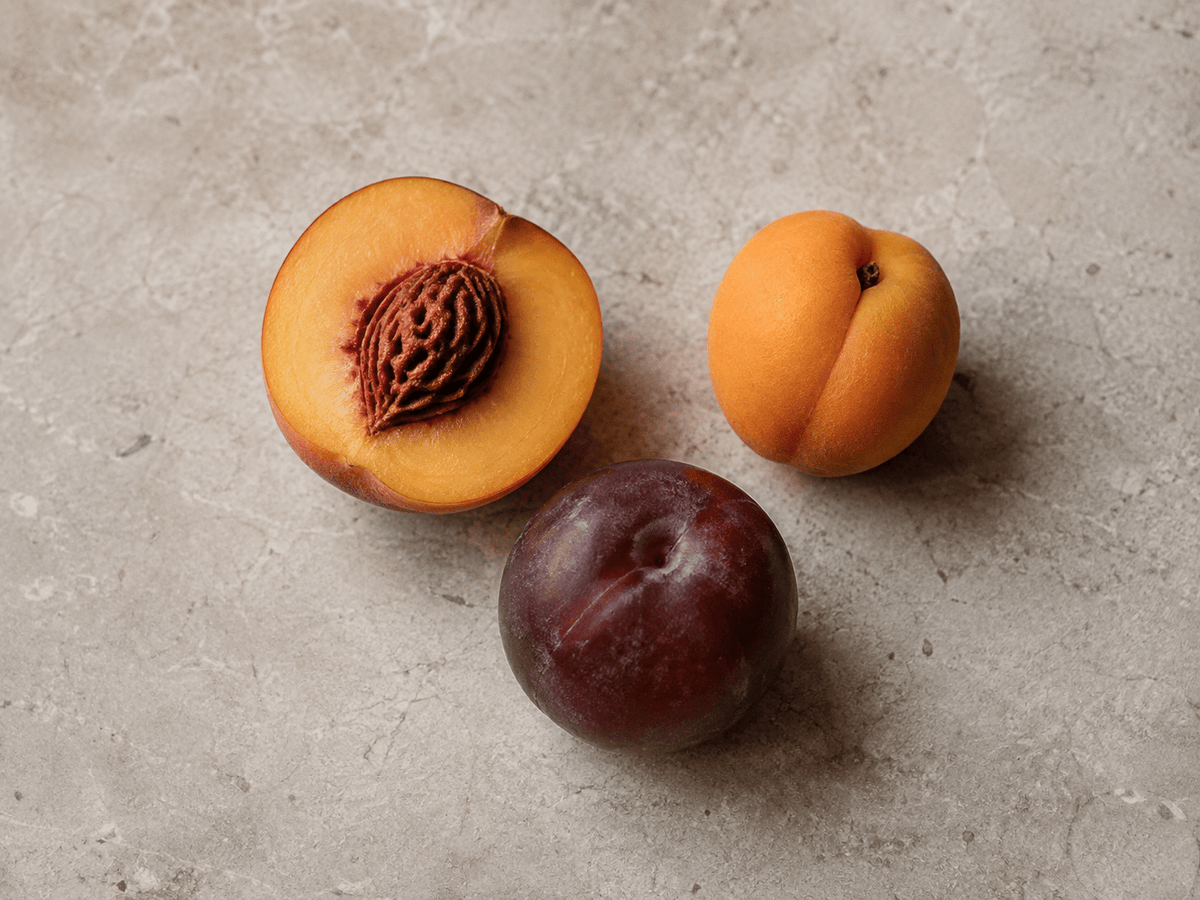
Peach, apricot and plum have moved from background sweetness to the centre of a lot of recent fragrance. Stone fruit works because it sits between fresh and gourmand, giving juiciness without the dessert weight of vanilla or praline. It is also one of the least natural things in perfumery, which is worth understanding.
Why stone fruit is almost entirely synthetic
You cannot extract a usable scent from a peach. There is no essential oil, and attempts to capture it directly produce something closer to jam than fruit.
Everything you smell as peach in a fragrance is a reconstruction, built largely from lactones. These are the compounds responsible for creamy, milky, fruity smells, and they are what makes a peach note read as soft and skin-like rather than sharp.
This is not a shortcut. The reconstruction is more recognisable as peach than anything the actual fruit yields, which is a pattern that repeats across perfumery.
What each fruit contributes
Peach. Soft, creamy, slightly fuzzy. The most skin-like of the three and the easiest to wear.
Apricot. Drier and more floral, with a slightly jammy quality. Sits well against tea and light woods.
Plum. Darker and winier, closer to dried fruit than fresh. The most autumnal of the three.
Nectarine. Sharper and greener than peach, with more bite at the opening.

Why it is everywhere now
It solves a specific problem. Buyers who wanted something sweet but found gourmands too heavy had few options. Stone fruit gives warmth and sweetness without vanilla's weight or praline's sugar.
It also works in heat, which most sweet notes do not. A peach and musk fragrance stays wearable in August in a way a vanilla and amber one does not.
And the lactone quality reads as skin-like, which puts it neatly alongside the wider interest in skin scents.

How it differs from darker fruit
Stone fruit reads as fresh and soft. Darker fruit reads as rich and adult.
Black cherry, blackcurrant and fig sit in a different register, with a boozy, slightly bitter quality underneath that peach does not have. That bitterness is what keeps them from reading as juvenile.
If you like fruit in fragrance but find peach too soft, dark fruit over rose or amber is the direction to look.
Who it does not suit
Fruit notes carry a youthful association that some people actively dislike, and stone fruit is at the softer end of that. If you want a fragrance that reads as serious, this is not the direction.
They also tend toward shorter longevity. Lactones are lighter than the base materials that anchor a fragrance, so a fruit-forward composition usually needs a musk or woody base underneath to survive the day.
And badly built ones smell like shampoo. The line between soft and cheap is narrower here than in most families.
Common questions
What does peach smell like in perfume?
Soft, creamy and slightly fuzzy rather than sharp. Closer to skin than to fruit juice.
Is peach in fragrance natural?
No. There is no usable peach oil, so it is reconstructed from lactones.
What are lactones?
Compounds responsible for creamy, milky, fruity smells. The backbone of most stone fruit notes.
Do fruity fragrances last long?
Not on their own. They need a musk or wood base underneath.
When should I wear stone fruit?
Spring and summer. It is one of the few sweet directions that works in heat.
The short version
Sweetness without gourmand weight, built entirely from synthetics, and one of the few sweet notes that survives summer.